
WATER DAMAGE BLUE
What Professionals Actually Watch For
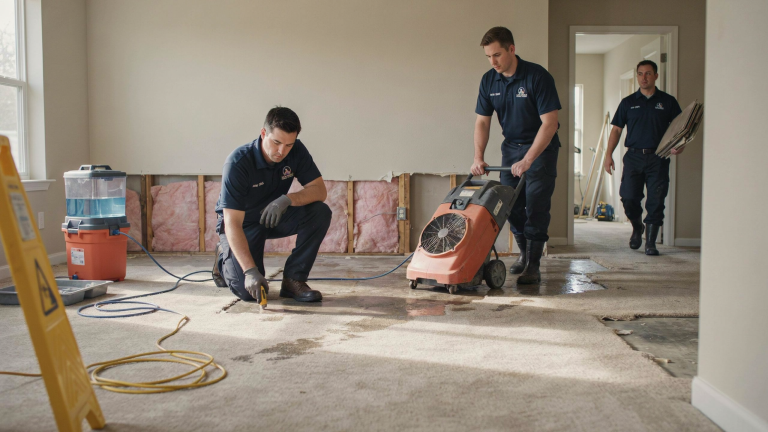
Most financial loss does not begin at the moment of failure; it begins at the moment of selection. Contractor decisions are made, restoration stabilizes the visible crisis, and the home appears controlled. Yet installation errors often surface months or even years later.
System complexity has increased, interdependencies are tighter, and financial stakes are higher. In this high-risk infrastructure category, failures are rarely immediate. The margin for error is smaller than ever because long-term outcomes are determined by structural decisions made during the initial urgency.
What Professionals Actually Watch For is not obvious during the stabilization phase. It is structural. You are not expected to know this immediately, but structured clarity reduces pressure and ensures that short-term surface order does not mask long-term technical exposure.
SYSTEMS LOGIC
Ownership Boundaries & Interdependence
The Outcome Illusion
- Flood cleanup restores surfaces.
- Water damage repair replaces materials.
- Basement restoration dries visible areas.
- The system looks complete and stable.
The Hidden Triggers
- Unconfirmed cavity stabilization.
- Concealed subfloor moisture pathways.
- Unaddressed vapor migration risks.
- Load compatibility verification gaps.
System Alignment
- Decisions dictate future disruption.
- Mitigation aligns with time behavior.
- Remediation considers load limits.
- Appearance != Performance.
RISK ASSESSMENT
How Professionals Evaluate Exposure
Mechanical Analysis
- Capacity limit calculations.
- High-capacity dehumidification matching.
- Daily logging of drying services.
- Saturation point verification.
Structural Controls
- Ownership responsibility defined.
- Warranty structure failure reviews.
- Correction pathway documentation.
- Long-term monitoring schedules.
The Environment
- Spouse asking about coverage.
- Insurance uncertainty present.
- Contractor waiting for approval.
- Pressure vs Time behavior assessment.

TIMELINE HORIZONS
Thirty Days to Two Years
30D
Masked Stability
At 30 days, relief is common. Extraction and repair appear finished. Yet appliance leaks may bypass cabinet cavities, and slab leaks may conceal subgrade saturation. Detection is simply delayed.
6M
Subtle Indicators
Minor symptoms appear: framing noise, localized moisture, and efficiency loss. Material shifts in kitchens or bathroom settling begin to expose normal system responses to initial errors.
2Y
Compounding Impact
Financial exposure compounds. Insurance help becomes complex, warranty language is reviewed, and resale disclosure issues emerge. Structural degradation reveals insulation gaps and drainage limits.
MARKET DISTORTION
Signal Bias vs. Structural Reality
Visibility Incentives
- Price favors visible metrics.
- Reviews reward high task volume.
- Advertising rewards search exposure.
- Rankings reward user attention.
Technical Gaps
- Compatibility gaps in materials.
- Undefined ownership of failure.
- Missing re-inspection enforcement.
- Lack of moisture baseline mapping.
Consumer Pressure
- Evaluating availability over capacity.
- Urgency narrows evaluation window.
- Misunderstanding certifications.
- Ignoring time-staged risk.
REGIONAL PATTERNS
Geographic Exposure & Compliance
Coastal Hazards
Hurricane recovery in Florida/Louisiana. Humidity challenges in Miami/Tampa. Storm restoration in Texas.
Urban Constraints
Layered compliance in NYC. Density pressures in LA/Seattle. Monitoring systems in Chicago.
Inland Specialties
Slab leaks in Phoenix/Dallas. Basements in NJ/NY. Multi-level migration in Philly/Denver.
Commercial/Logistics
Capacity planning in Houston. Structural review in St. Louis. Precision logistics in Oklahoma City.
ENFORCEMENT
Mechanics of Accountability

Monitoring Protocols
- Issues logged and patterns tracked.
- Correction windows defined early.
- Re-inspection at set intervals.
- Escalation for standard failures.
Technical Verification
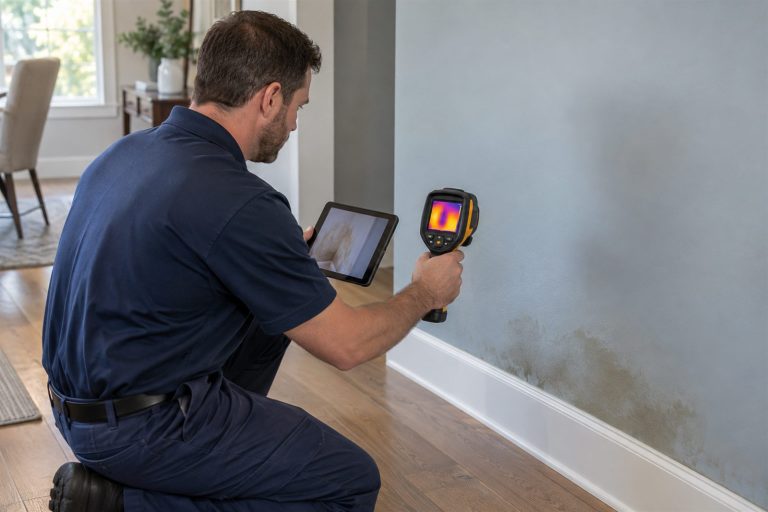
- Thermal imaging saturation mapping.
- Integrity testing after floods.
- Category 3 water loss classification.
- Biohazard containment verification.
Mold Oversight
- Spore count documentation.
- Containment duration definitions.
- Verification of black mold removal.
- Toxic mold follow-up review.
DECISION ARCHITECTURE
Reduced Cognitive Load
No Paid Placement
No Advertising Influence
No Popularity Rankings
No Lead Reselling
No Pay-to-Play
Fewer choices reduce cognitive load. Reduced cognitive load lowers error rates. Lower error reduces regret probability. What Professionals Actually Watch For is structural stability across time.
Clarity reduces pressure. Long-term outcomes are becoming more legible.