WATER DAMAGE BLUE
How Trust Is Engineered (Not Claimed)
Most problems do not begin with visible failure; they begin with unclear accountability. While restoration stabilizes the scene and address the surface crisis, what is often missing is defined enforcement, oversight, and correction windows after payment is made.
In this high-risk infrastructure category, installation errors rarely appear immediately. System complexity has increased, financial exposure is larger, and the margin for error is smaller. Trust is not something that is simply claimed—it must be engineered through structure and accountability.
Structural oversight remains after the visible work is done. You are not expected to know this immediately, but understanding that long-term outcomes depend on early decisions reduces pressure and prevents the regret that emerges from incomplete context in a complex environment.
ACCOUNTABILITY
Oversight & Early Decision Impact
Surface Stability
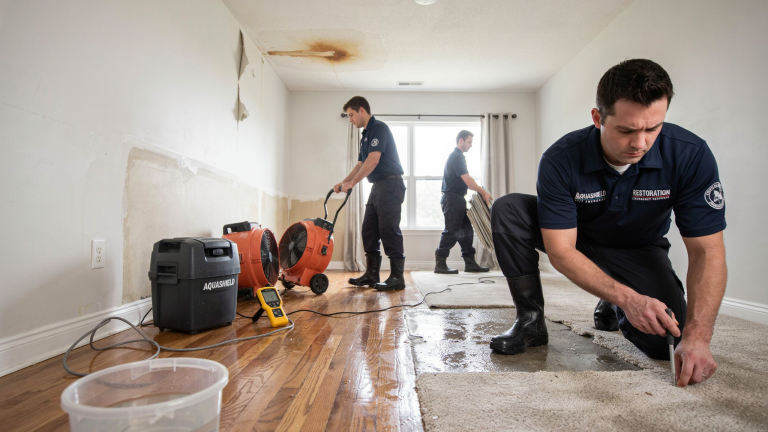
- Flood cleanup restores order.
- Repair replaces damaged material.
- Restoration dries visible areas.
- Order appears complete and resolved.
Invisible Vulnerability
- Unconfirmed framing stability.
- Concealed subfloor moisture pathways.
- Unaddressed vapor migration risks.
- Load compatibility verification gaps.
The Structural Difference
- Oversight continues after payment.
- Correction windows are defined in writing.
- Mitigration aligns with capacity limits.
- Trust is engineered via structure.
METHODOLOGY
How Risk Is Actually Assessed
Mechanical Analysis
- High-capacity dehumidification matching.
- Cubic volume saturation calculations.
- Daily logging of structural drying.
- Time-behavior system projections.
Technical Enforcement
- Ownership responsibility defined in writing.
- Warranty enforcement reviews.
- Correction pathway documentation.
- Long-term monitoring intervals.
The Environment
- Authorized standing water removal.
- Spouse asking about insurance.
- Cost concerns and anxiety rising.
- Urgency vs Mechanical reality.
TIMELINE
From Surface Order to Compounding Effect
30D
Surface Stability
At 30 days, relief is typical. Extraction and repair look resolved. Yet masked flaws may remain in cabinet voids or subgrade moisture pathways. Visibility is simply delayed.
6M
Minor Indicators
Small signals may appear: localized odor, framing noise, or efficiency loss. Bathroom settling and kitchen material shifts reveal the true system response to initial decisions.
2Y
Compounding Impact
Financial and structural effects compound. Insurance help becomes difficult, warranty terms are reviewed, and layered repair costs increase. Hidden exposure becomes structural fact.
INCENTIVE GAP
Visibility Bias vs. Long-Term Durability
Distorted Signals
- Price favors what is visible.
- Reviews reward task volume.
- Advertising rewards search exposure.
- Ratings reward digital engagement.
Professional Indicators
- Identifying compatibility gaps.
- Defining ownership procedures.
- Establishing correction windows.
- Oversight-based monitoring.
Consumer Pressure
- Evaluating availability over capacity.
- Urgency-based selection errors.
- Misunderstanding credentials.
- Ignoring the structural shift.
REGIONAL VARIABILITY
Infrastructure & Compliance Patterns
Coastal & Tropical
Hurricane recovery in Florida/Louisiana. Humidity pressure in Miami and Tampa. Storm restoration in Texas.
Regional Constraints
Slab leaks in Phoenix/Dallas. Basements in NJ/NY. Scale requirements in Chicago and St. Louis.
Urban & Commercial
Layered compliance in NYC. Density in LA/Seattle. Shared systems in Jacksonville/Virginia Beach.
Logistics/Precision
Monitoring in Philly/Atlanta. Structural review in Oklahoma City. Plumbing intersections in Denver/San Antonio.
ENFORCEMENT
Governance and Corrective Pathways
Oversight Mechanics
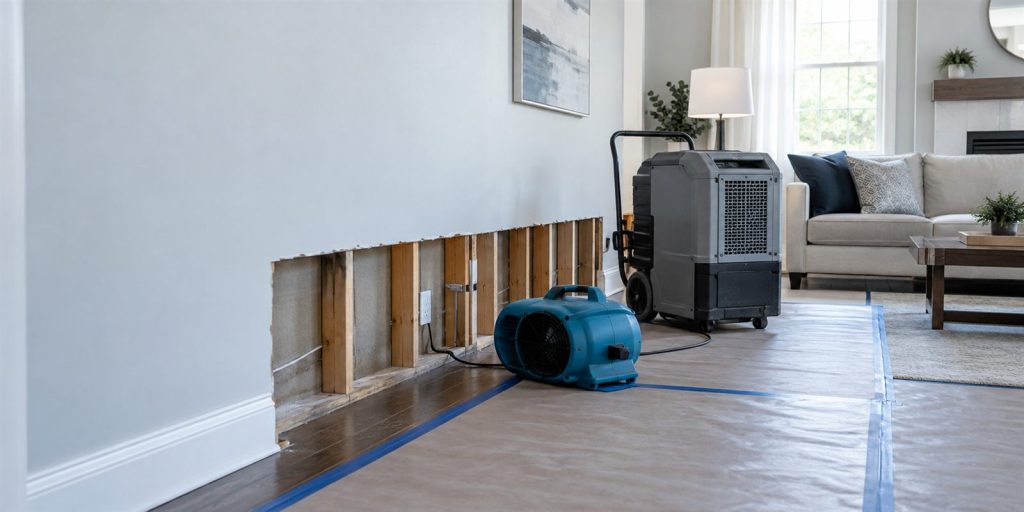
- Category 3 water classification.
- Thermal imaging saturation mapping.
- Professional moisture baseline inspection.
- Integrity testing after flood framing.
Verification Steps
- Formal logging of all remediation.
- Procedural monitoring schedules.
- Documented off-site storage logs.
- Archived dry-out performance data.
Hazard Control
- Mold spore level documentation.
- Containment verification protocols.
- Verification of toxic mold removal.
- Content vs Structural separation.
FEWER VARIABLES
Decision Infrastructure
- No Paid Placement
- No Advertising Influence
- No Popularity Rankings
- No Reselling Leads
- No Pay-to-Play
Fewer choices reduce cognitive load. Reduced cognitive load lowers error rates. Trust rests on oversight, not claims. You are capable of understanding this structure.
Clarity reduces pressure. Governance defines boundaries.