WATER DAMAGE BLUE
Documented Contractor Failure Patterns in Residential Service Work
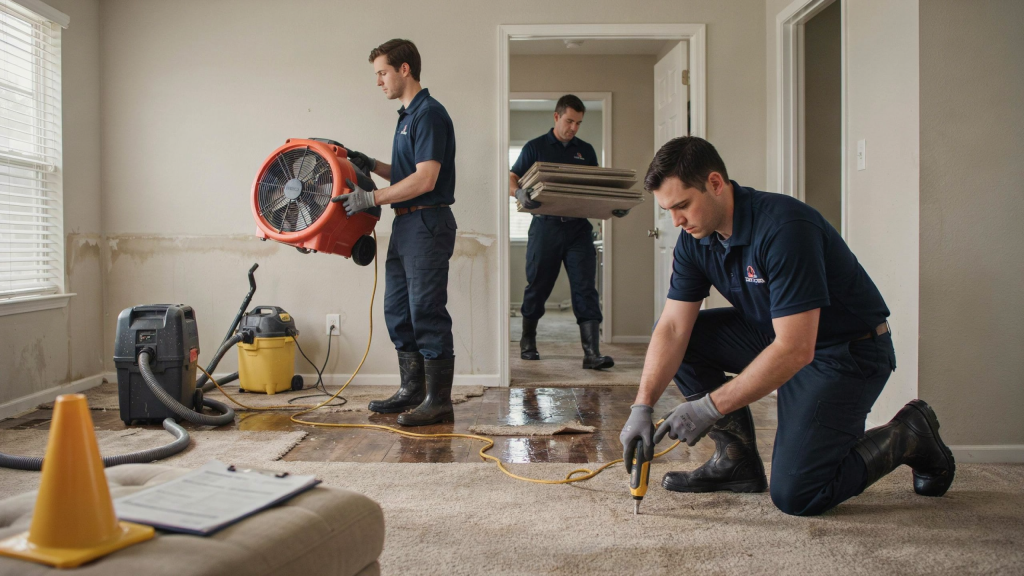
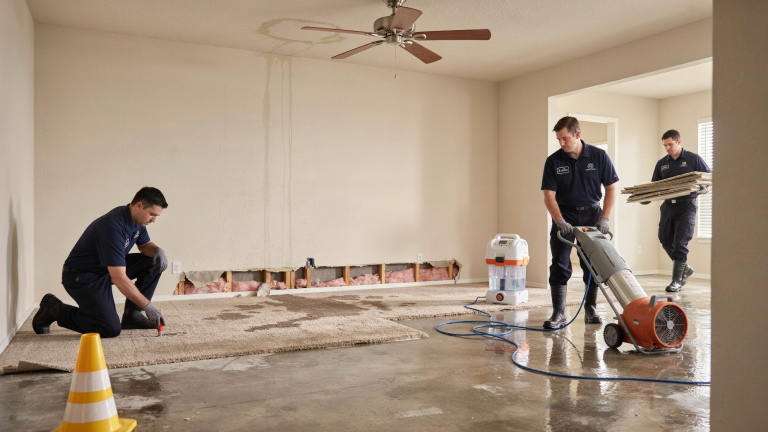
Most residential failures are not immediate; they develop over time. Water damage restoration may appear complete, and while visible order is restored, installation errors often surface only after materials respond to time and load. The situation looks stable, but the technical reality is shifting behind the scenes.
Residential service work now operates within tighter tolerances. Systems are more interdependent, moisture barriers are layered, and financial exposure is higher. The margin for error is smaller than ever before, yet these complexities remain largely invisible during the initial urgency of the decision.
You’re not expected to know this immediately. This confusion is common. Most regret comes from incomplete context. Documented Contractor Failure Patterns exist because early decisions shape later outcomes—selection is the primary variable in determining whether initial order masks long-term technical deviation.

SELECTION IMPACT
Selection as a Long-Term Risk Variable
Execution Standards
- How repair work is executed.
- Technical documentation depth.
- Structural drying monitoring logs.
- Defining long-term system behavior.
The Technical Gap
- Dry drywall != cavity stability.
- Hidden subfloor moisture pockets.
- Overlooked vapor migration paths.
- Time-sensitive material responses.
The Outcome Link
- Selection prevents or delays failure.
- Initial appearance vs actual resolution.
- Ownership of technical results.
- Linking selection to delayed outcome.
RISK ASSESSMENT
How Professionals Assess the Invisible
Mechanical Evaluation
- Load compatibility verification.
- High-capacity dehumidification math.
- Historical failure pattern review.
- Cubic volume saturation mapping.
Structural Controls
- Ownership responsibility in writing.
- Warranty enforcement language.
- Correction pathway documentation.
- Long-term monitoring intervals.
The Environment
- Spouse asking about coverage.
- Contractor waiting for authorization.
- Cost anxiety vs Technical fact.
- Decision pressure assessment.
TIMELINE
The Progression of Consequences
30D
Masked Conditions
At 30 days, relief is common. Extraction and cleanup look stable. Yet cabinet voids and subgrade moisture may remain, hiding future behavior from surface-level inspection. Delayed detection is characteristic of complex assemblies.
6M
Subtle Degradation
Small signals surface: localized odor, framing noise, and efficiency loss. Material settling in bathrooms or roof insulation compression reveal predictable responses to initial oversights.
2Y
Compounding Impact
Financial and structural effects compound. Insurance complications, warranty voidance, and resale disclosure issues emerge as structural facts expose migration patterns and foundation stress.
MARKET BIAS
Visibility Incentives & Signal Distortion
Consumer Pressure
- Evaluating availability over capacity.
- Cost-only comparison shopping bias.
- Reviews reward high task volume.
- Search phrases dominate behavior.
System Gaps
- Missing technical enforcement steps.
- Undefined ownership of failure.
- Lack of long-term monitoring logs.
- Absent correction windows.
The Misalignment
- Durability is invisible at the start.
- Rankings favor digital engagement.
- Visibility bias favors speed.
- Risk increases with surface priority.
REGIONAL TRENDS
Failure Patterns & Environments
01
Coastal & Tropical
Hurricane recovery in Florida & Louisiana. Humidity pressure in Miami & Tampa. Storm restoration in Texas & Houston.
02
Inland & Climate
Slab leaks in Phoenix & Dallas. Basements in NJ & NY. Industrial scale in Chicago & St. Louis.
03
Urban Compliance
Layered compliance in NYC. Density pressures in LA & Seattle. Monitoring in Philly & Atlanta.
04
Logistics/Design
Plumbing in Denver & San Antonio. Multi-level in Charleston. logistics in Fort Myers.
GOVERNANCE
Enforcement & Corrective Mechanics
01
Oversight Controls
- Category 3 water classification.
- Thermal imaging saturation mapping.
- Pattern tracking across project logs.
- Integrity testing after framing floods.
02
Procedural Verification
- Correction windows defined in writing.
- Formal logging of remediation patterns.
- Archived dry-out performance data.
- Re-inspection at set intervals.
03
Hazard Accountability
- Mold spore level documentation.
- Verification of toxic mold removal.
- Containment verification protocols.
- Content vs. Structural separation.
DECISION CONTEXT
Structural Clarity & Reduced Error
Fewer choices reduce cognitive load. Reduced cognitive load lowers error rates. Lower error reduces regret probability. Failure patterns become more legible when standards matter more.
Clarity reduces pressure. This information exists to help you slow down.
- No Paid Placement
- No Advertising Influence
- No Popularity Rankings
- No Lead Reselling
- No Pay-to-Play